
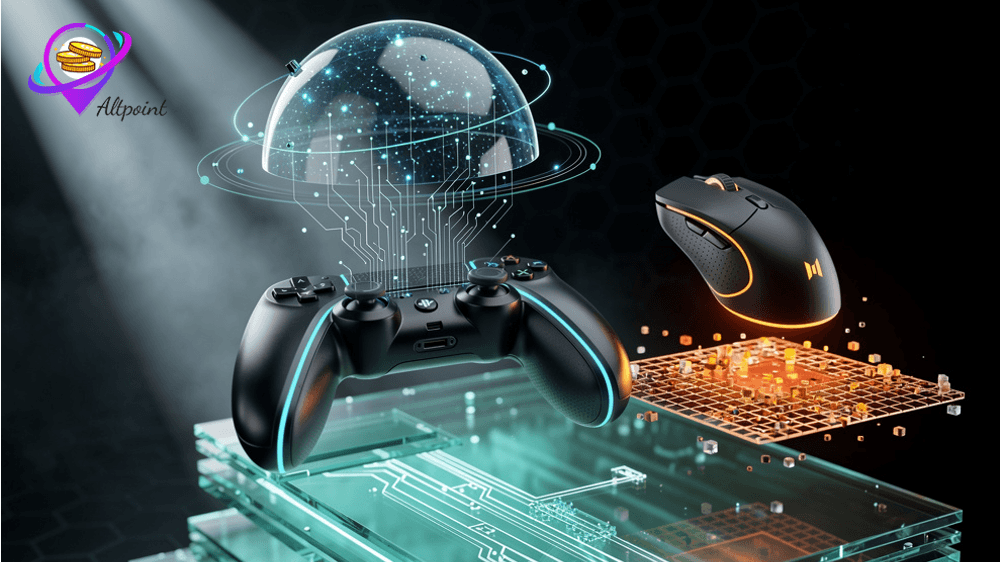
GamePad, a Web3 infrastructure platform, has announced a partnership with Mouse, a Telegram-native tap-to-earn game. The collaboration aims to simplify on-chain transactions for millions of gamers by combining intuitive DeFi execution with scalable Web3 gaming architecture.
GamePad shared the news on its official X account. The post described Mouse as a tap-to-earn game on $TON with over 2 million players. Mouse rewards users through missions, daily tasks, and on-chain gameplay. The partnership is expected to provide a more seamless experience for both players and developers.
Entertainment Meets DeFi
The focus is on making on-chain gaming smoother while improving how rewards are distributed. This initiative reflects a wider trend where gaming frameworks integrate with decentralized finance. Players can earn, transact, and play in real time. Mouse has become a notable platform in the tap-to-earn space on the TON blockchain. It combines blockchain-enabled rewards with a casual gaming setup, which makes participation both fun and financially rewarding.
With over 2 million players already onboarded, Mouse represents a growing community that values performance upgrades and integrations. By working with GamePad, the project hopes to strengthen its network by adding clear and efficient DeFi execution for liquidity flows and reward systems.
Toward Better Web3 Gaming Infrastructure
GamePad sees this partnership as part of a broader shift in how blockchain projects approach adoption and scalability. Instead of focusing on isolated features, these collaborations emphasize ecosystem-wide accessibility and efficiency. As Web3 gaming continues to gain traction globally, the need for intuitive infrastructure has grown significantly. By merging GamePad’s execution capabilities with Mouse’s active community, the joint effort aims to create a more inclusive and interactive blockchain gaming environment.
The partnership highlights how infrastructure-led collaborations are becoming important in shaping the next phase of blockchain-powered entertainment. It suggests that the future of Web3 gaming may depend less on flashy gimmicks and more on reliable, user-friendly tools that work behind the scenes.
