
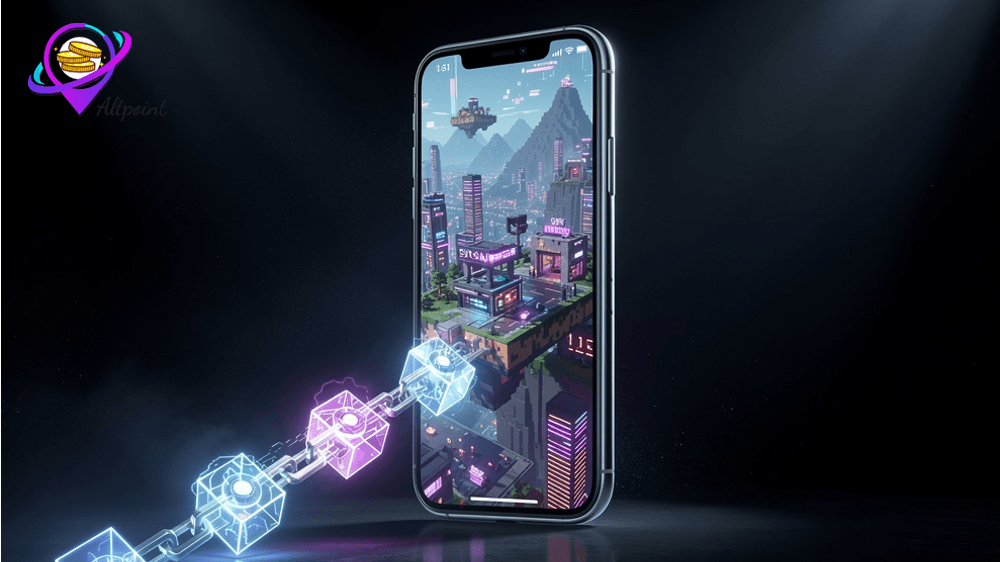
The mobile push begins with testing
I think this is one of those moments where you can see a platform trying to figure out mobile. The Sandbox is running a stress test for their new mobile game, The Sandbox NEXT. It’s a survival battle thing for up to 20 players. What’s interesting, perhaps, is the engine switch—they moved from Unity to Unreal Engine 5. That’s a pretty big technical shift, especially for mobile.
They’re aiming for console-level graphics on phones and tablets. That’s ambitious, I’d say. Mobile hardware keeps getting better, but pushing Unreal Engine 5 on those devices? Well, that’s what the stress test is for. They need to see if the servers can handle it, if the network stays stable, and how the gameplay feels when lots of people are playing.
Bringing your stuff with you
Here’s something that matters to people who already use The Sandbox: you can bring your existing characters and NFT assets over. Your digital identity moves from the PC version to mobile. That’s important because it means your investment isn’t locked to one platform. You buy something once, and it works in different places.
But there’s always been this problem with blockchain games—transaction costs. Gas fees can make trading items painful, especially for small, frequent trades in a game like this.
The Layer 2 solution
So they built something called SANDchain. It’s a Layer 2 network based on zkSync technology. What that means is most transactions happen off the main Ethereum chain. The result should be much lower fees and faster confirmations. For a mobile game where you might trade items often, that’s pretty essential.
The zero-knowledge rollup tech provides security while handling more transactions. It’s a practical approach to a real problem. Mobile users aren’t going to wait around for slow blockchain confirmations or pay high fees for small trades.
Why mobile matters now
Look, most new gamers come through mobile. That’s just the reality. The Sandbox is trying to reach that audience—people who want a more premium metaverse experience but only have their phones. It’s also about competition. Other projects are looking at mobile, and traditional gaming companies are exploring web3 integration too.
This stress test will give them real data. How do users engage on mobile? What’s the network latency like? How efficient are asset transfers between platforms? These aren’t theoretical questions anymore.
For creators who build assets in The Sandbox ecosystem, this opens up a much larger audience. Your digital land, wearables, gameplay items—they could see more use and potentially more value if mobile adoption takes off.
The low-fee trading environment might help create a more active secondary market. That economic activity is what keeps a platform healthy over time.
What comes next
After the stress test, the team will look at performance data, user feedback, and bug reports. They’ll optimize the build before a wider release. There’s talk about possibly adding augmented reality features or deeper social integrations later.
The long-term idea seems to be a connected metaverse where your experience flows between desktop, mobile, and maybe eventually VR. That’s a big vision, but this mobile test is a concrete step toward it.
If this works, it could show that complex, asset-heavy metaverse experiences can run on regular consumer hardware. That’s significant for the whole space. Not just for The Sandbox, but for anyone thinking about bringing blockchain gaming to mainstream mobile audiences.
The combination of Unreal Engine graphics and efficient Layer 2 transactions addresses two big barriers: visual quality and cost. Both matter if you want to attract people who aren’t already deep into crypto.
