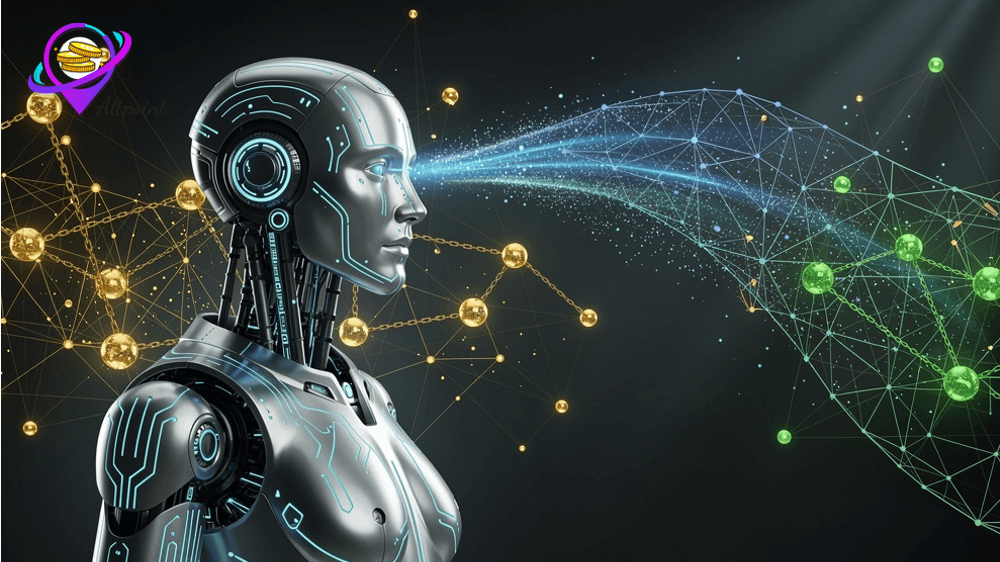
Robots running on peaqOS can now use predictive AI forecasts from Allora before making a decision. The integration connects machines to a decentralized network of prediction models. It works both ways. A robot or connected device can ask Allora for a forecast. Or, if it has spare computing power, it can register as an inference worker and earn from supplying predictions.
How Allora Builds Its Forecasts
Allora is not a single AI model. It is a network where many models compete to answer questions about future outcomes. The answers are compared against what actually happens. That allows the network to figure out which models are more reliable over time.
The project says the network currently includes more than 288,000 worker models and 55 live topics. I think the scale matters less than the structure here. Instead of trusting one black-box forecast, machines can pull from a system that has been tested through real results.
A Humanoid Robot Demonstrates the Workflow
peaq and Allora demonstrated the integration using a Unitree G1 humanoid robot. In the example, the robot finishes a warehouse shift and holds earnings from its work. It needs to decide when to convert those earnings, and the timing often depends on market conditions. The robot queries Allora for a prediction and uses that forecast as part of its decision.
When the robot is not working, it does not just sit idle. Its computing resources can be used to generate predictions for the Allora network. In other words, the machine becomes both a consumer and supplier of intelligence.
peaq is a blockchain platform built around machine economies and connected devices. Through peaqOS, machines access Allora via robotic.sh. Their activity stays tied to one machine identity. That is relevant because decisions made by a robot can have consequences, and it helps to know which machine did what.
What to Make of This Integration
The companies see this as a shift in how machines handle uncertain situations. Robots can use forecasts when they need information and put unused computing capacity to work when they are idle. That idea is not entirely new, but running it through peaq gives each device a clear identity and a way to settle earnings.
Allora is now available through robotic.sh for machines running peaqOS. It remains early days. Nobody should assume robots will be making perfectly timed financial moves overnight. Still, the integration offers a practical example of AI helping machines make better-informed decisions inside the machine economy.