
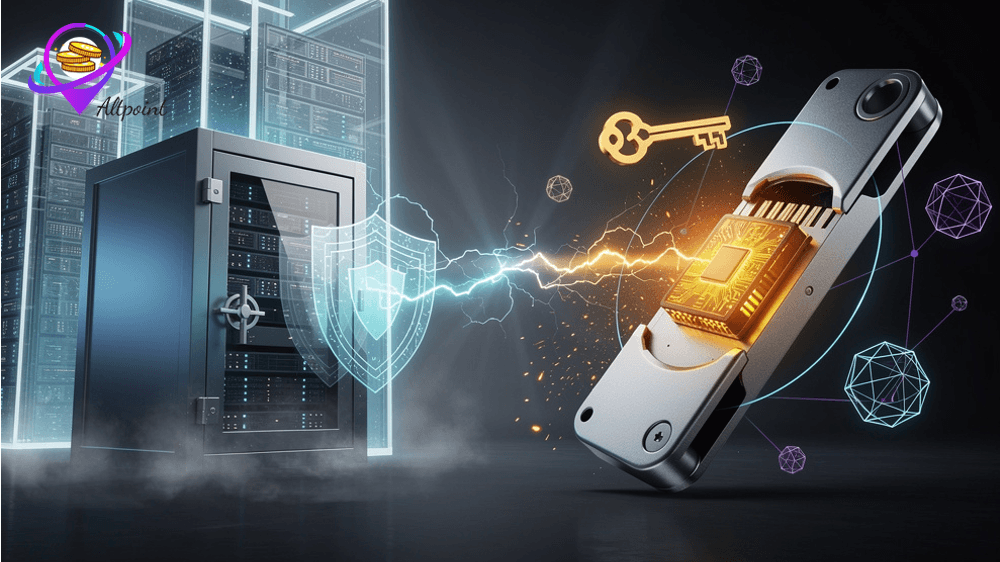
A hardware implant changes the custody conversation
The discovery of a compromised Ledger wallet with an unauthorized hardware implant has renewed a long-running argument in Bitcoin: should large holders keep coins in self-custody or move them into exchange-traded funds? The exploit did not just affect one device. It touched a nerve because hardware wallets are often sold as the safest way to hold Bitcoin without relying on a bank, exchange, or fund manager.
Blockchain investigators have estimated that losses tied to these implants could reach $86 million. That number may still change, and not every detail about the attack has been confirmed. Even so, the case has given ETF supporters new material. For years, some advisers have framed ETFs as a simpler and, in their view, safer custody route for investors who do not want to manage private keys.
Plan B says he has zero regrets
Bitcoin analyst Plan B said his decision to move his BTC holdings into ETFs in 2025 now looks right to him. At the time, the move was controversial among Bitcoiners who favor self-custody. In a Monday post on X, he wrote that he has zero regrets about the ETF decision. He pointed to recent Coldcard and Ledger exploits as part of his reasoning. That does not settle the debate, but it shows how quickly sentiment can shift when a trusted device is compromised.
ETFs are not perfect either
Ophelia Snyder, co-founder of 21Shares, said large holders have been converting self-custodied assets into ETFs for years for what she described as enhanced security. She told Cointelegraph that this has been one of the main selling points for ETFs. According to Snyder, the recent exploits pushed the topic into public discussion. She also noted that self-custodial wallets depend heavily on an investor’s technical skill and individual setup. That is a fair point. A wallet is only as strong as the person using it and the process around it.
Security advice cuts both ways
Adam Back, CEO of Blockstream and inventor of Hashcash, said hardware wallets can still be secure. But he argued that manufacturers need a better grasp of the threat landscape. He wrote on Saturday that surprisingly few manufacturers seemed to understand generic attacks over the past decade, based on their marketing and design choices. His take was blunt: it is time to catch up on threat modelling.
Jameson Lopp, a Bitcoin security researcher and cypherpunk, also said self-custody can remain a workable option. He warned against a rushed mass migration, though. Moving coins in a panic can create new central points of failure, especially if users send assets to a small number of custodians without thinking through the trade-offs. The Ledger implant case may push more holders toward ETFs, but it does not make custody a simple either-or choice.
